
Published July 30, 2026
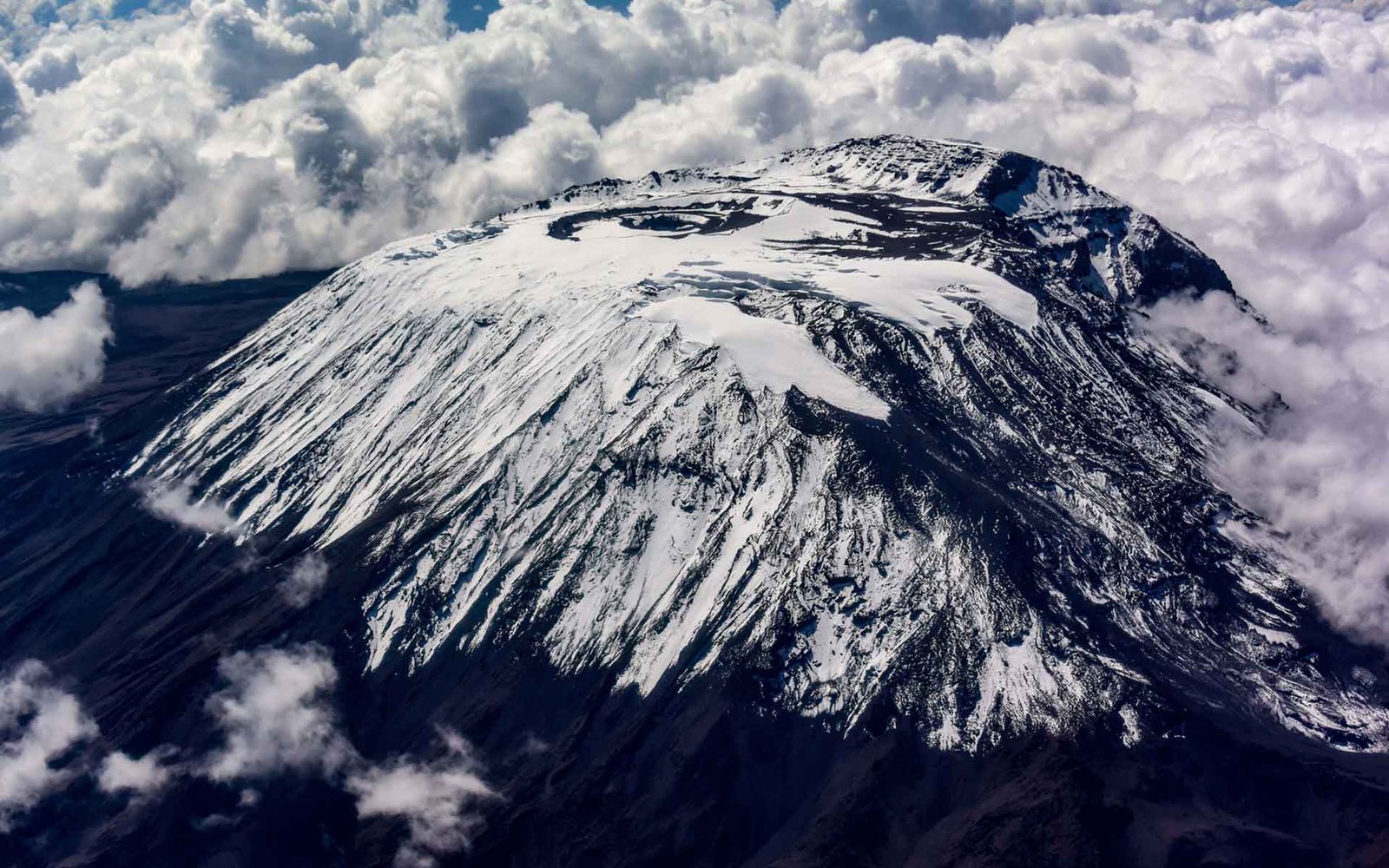
Kilimanjaro can technically be climbed year-round, but two windows give you the best combination of stable weather, clear skies, and firm trails: late June to October, and January to mid-March. Both are considered dry seasons, though they feel a little different on the mountain.
This is peak season, and for good reason. Trails are dry and firm, visibility on summit night is usually excellent, and it lines up with the Northern Hemisphere's summer holidays, so it is when most climbers go. The trade-off is busier camps and trailheads, especially on the popular Machame and Marangu routes in July and August.
Less well known but just as reliable, this window offers similarly dry conditions with noticeably fewer climbers on the trail. Days tend to be a little warmer at lower altitudes, and nights on summit push are typically colder and clearer. If you want the same weather reliability with more solitude on the mountain, this is worth serious consideration.
Tanzania has two rainy periods: the long rains from roughly mid-March to May, and the short rains in November. Climbing during the long rains is genuinely difficult — trails become slippery and summit visibility drops significantly, and most operators discourage it. The short rains in November are lighter and more localized; some experienced climbers use this as a genuine low-season option with proper rain gear, though it carries more uncertainty than the two main windows.
Whichever season you choose, the route you pick affects your experience just as much. The Marangu Route is the only one with hut accommodation instead of camping, and its shorter standard itinerary means less acclimatization time. Machame and Lemosho both follow a "climb high, sleep low" acclimatization pattern that noticeably improves summit success, with Lemosho generally considered the most scenic of the standard routes.
For a first Kilimanjaro climb, we generally recommend July-October or January-February, paired with a 7-8 day itinerary on the Machame or Lemosho route rather than the shorter 5-6 day options. The extra day or two on the mountain makes a real difference to how your body handles the altitude, which is the single biggest factor in whether you actually reach Uhuru Peak.
Tell us your dates, group size, and what you're picturing — we'll reply with a tailored, honest quote within 24 hours.
Request a Free Quote