Published July 30, 2026
A Tanzania safari typically costs between $250 and $1,500+ per person, per day, depending on how you travel. That is a wide range, and for good reason: two travelers visiting the exact same parks can pay very different amounts based on their choice of vehicle, accommodation, and season. Here is how the pricing actually breaks down.
At this level, you are usually sharing a 4x4 vehicle with other travelers on a fixed group route, sleeping in public campsites, and eating simple meals prepared by your crew. It is a genuine, memorable way to see the Serengeti and Ngorongoro Crater without the luxury price tag, and it is what most of our budget-friendly itineraries are built around.
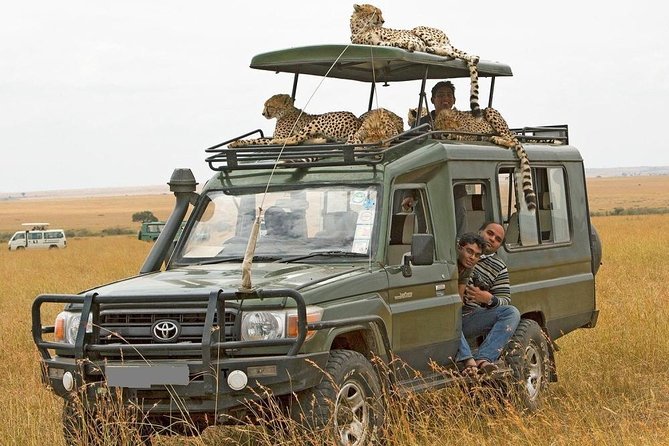
This is where most travelers land, and it is our most popular category. You get a private vehicle and guide (not shared with strangers), comfortable tented camps or lodges with private bathrooms, and full board meals. The jump from budget to mid-range is mostly about the vehicle and the pace — a private safari runs on your schedule, not a fixed group timetable.
Luxury tiers add premium lodges and camps, sometimes with butler service, private plunge pools, or fly-in transfers between parks instead of long game drives on dirt roads. Some ultra-luxury properties in prime Serengeti locations charge $1,000+ per person per night on their own, before guiding and park fees.
Reputable operators quote an all-inclusive daily rate covering your vehicle, driver-guide, accommodation, meals, and national park and conservation fees. Park fees alone are a meaningful chunk of that cost — they typically run $53-$83 per person per day depending on the park, and they go directly to conservation and the Tanzanian government, not the operator.
Not included: international flights, visa fees, travel insurance, tips for your guide and camp staff, and alcoholic drinks.
The single factor that moves your price the most is not the lodge, it is whether you share a vehicle on a fixed group departure or travel privately with your own guide. Private travel costs more per day but means your safari genuinely runs on your interests — lingering at a sighting, adjusting the next day's plan, starting early or sleeping in.
Traveling in the green season (roughly April to May) can bring mid-range rates down noticeably, since lodges drop prices when fewer people are traveling. You trade a little unpredictable rain for genuinely good savings and a quieter, greener park.
Do not choose a safari purely on the lowest price. At the very bottom of the budget range, the experience can be a little rough for travelers who are not backpackers. Tell us your budget and priorities honestly, and we will build an itinerary that matches what actually matters to you — whether that is more days in the Serengeti, a private vehicle, or simply the best value for a first-time safari.
Tell us your dates, group size, and what you're picturing — we'll reply with a tailored, honest quote within 24 hours.
Request a Free Quote